
For thousands of homeowners, the shift to solar represents a profound commitment—to energy independence, to long-term savings, and to a sustainable future. That array of panels on your roof is more than just technology; it’s a significant financial investment and a personal power plant. Yet, this sophisticated system operates in a world of invisible, violent threats. A distant lightning strike, a sudden grid fluctuation, or even an internal electrical surge can send a tsunami of excess voltage through your delicate solar circuitry in microseconds.
The result? A catastrophic failure that can fry your inverter—the brain and most expensive component of your system—melt wiring, destroy monitoring equipment, and leave you with a massive repair bill and a silent rooftop. This vulnerability begs a critical question: How do you shield a $15,000 to $30,000 investment from a random, catastrophic event?
The answer is not a hope and a prayer. It’s a dedicated, non-negotiable component: the solar power surge protector. Often overlooked in initial quotes, this device is the essential guardian of your entire photovoltaic (PV) investment. It’s the shield that stands between your system’s sensitive electronics and the chaotic energy of the outside world. This blog, grounded in electrical standards like the NEC (National Electrical Code) Article 690, will explain why this component is as vital as the panels themselves, how it works, and how to ensure your system is truly protected. Ignoring this could be the most expensive mistake a solar owner makes.


What is a Solar Power Surge Protector? (It’s Not a Power Strip)
At its core, a solar power surge protector is a specialized type of Surge Protective Device (SPD). Its sole mission is to detect voltage spikes—those sudden, massive jumps above the normal operating current—and instantly clamp them, diverting the dangerous excess energy safely into the grounding system. Think of it as a pressure relief valve for your home’s electrical system, but one designed for the unique and powerful flow of solar electricity.
What makes a solar power surge protector different from the surge strip you plug your computer into? The answer lies in the type of current. Your home uses Alternating Current (AC), which flows back and forth. Your solar panels, however, generate Direct Current (DC), which flows in one constant direction. DC circuits, especially the high-voltage strings from solar arrays, present unique challenges. The arc from a DC surge can be far more sustained and dangerous than an AC arc, requiring specialized components to safely interrupt it.
Therefore, a true solar power surge protector is engineered for these DC characteristics. Using components like Metal Oxide Varistors (MOVs) or Gas Discharge Tubes (GDTs), it acts as a sentry. Under normal voltage, it’s a high-resistance component, invisible to the system. When a surge hits, it becomes a low-resistance path in nanoseconds, channeling the surge to ground and keeping the voltage seen by your inverter and panels at a safe level.
Key Protection Zones in Your Solar Array
A comprehensive protection strategy involves placing solar power surge protector devices at critical junctures. One device is not enough; protection should be layered.
- The DC Side (PV Array Protection): This is the first and most critical line of defense. DC solar power surge protector units are installed in the combiner box (where multiple panel strings meet) or at the inverter’s DC input. They guard against surges induced on the long rooftop wiring from nearby lightning strikes or from the panels themselves.
- The AC Side (Inverter Output Protection): After the inverter converts DC to AC, the power feeds into your home. An AC solar power surge protector, often at your main service panel, protects against surges coming from the utility grid or from large appliances cycling within your home.
- Communication/Data Line Protection: Modern systems include delicate sensors and communication wires for monitoring. A dedicated data line solar power surge protector safeguards this network, preventing a surge from taking down your ability to track system performance.
5 Reasons a Solar Surge Protector is Non-Negotiable
Understanding the technology is one thing. Grasping its absolute necessity is another. Let’s break down the five compelling reasons why installing a solar power surge protector is an essential act of due diligence, not an optional upgrade.
1. It Protects Your Major Financial Investment
Your solar inverter is the single most expensive piece of hardware in your system after the panels themselves, often costing between $1,500 and $3,000 or more to replace. Solar panels are durable, but their sensitive bypass diodes can be fried by a surge. A high-quality solar power surge protector, by contrast, represents a tiny fraction of this cost—typically a few hundred dollars for professional-grade protection on both DC and AC sides. This is the very definition of “an ounce of prevention.” Viewing a solar power surge protector as an insurance premium with a 100% payout rate in the event of a surge makes its value crystal clear.
2. It Ensures System Uptime and Energy Production
Solar is about ROI—return on investment. That return only accrues when the system is producing power. A catastrophic surge can shut your system down for weeks while you diagnose the problem, file insurance claims, source parts, and schedule repairs. During that time, your energy bills revert to their pre-solar levels. A solar power surge protector maintains your system’s uptime by preventing these debilitating failures. It ensures your investment continues to pay dividends day after day, storm after storm.
3. It Preserves Your Equipment Warranties
This is a critical point many homeowners miss. Read the fine print of your inverter and panel warranties. Many leading manufacturers include clauses that state damage from “acts of God” (like lightning) or grid-related surges is not covered. More importantly, some warranties explicitly require that proper surge protection, installed per the National Electrical Code, be in place as a condition of the warranty itself. Installing a certified solar power surge protector and having it documented by your installer is your best defense against a warranty claim being denied for a surge-related failure. It proves you took reasonable steps to protect the equipment.
4. It Enhances Overall Home Safety
A surge is more than an economic event; it’s a thermal event. The massive, instantaneous current from a voltage spike can cause wires to overheat dramatically, melting insulation and potentially igniting surrounding materials. By safely shunting this energy to ground, a solar power surge protector removes this extreme heat source from your system’s wiring, both in the combiner box on your roof and within your inverter. This layer of safety is paramount for any electrical system in your home, and your solar array is no exception.
5. It Provides Unmatched Peace of Mind
Solar ownership should bring peace of mind, not anxiety every time a thunderstorm rolls in. Knowing you have a dedicated solar power surge protector standing guard allows you to weather literal and figurative storms with confidence. You’ve taken a proactive, intelligent step to weatherproof your investment. This peace of mind is the intangible but invaluable benefit of a properly protected system. A solar power surge protector is the component that lets you forget about your system’s vulnerabilities and simply enjoy the benefits.
Choosing the Right Solar Power Surge Protector: A Buyer’s Checklist
Not all surge protectors are created equal. Selecting the right solar power surge protector requires understanding a few key specifications. Here is your actionable checklist to evaluate products or discuss with your installer.
Critical Technical Specifications Decoded
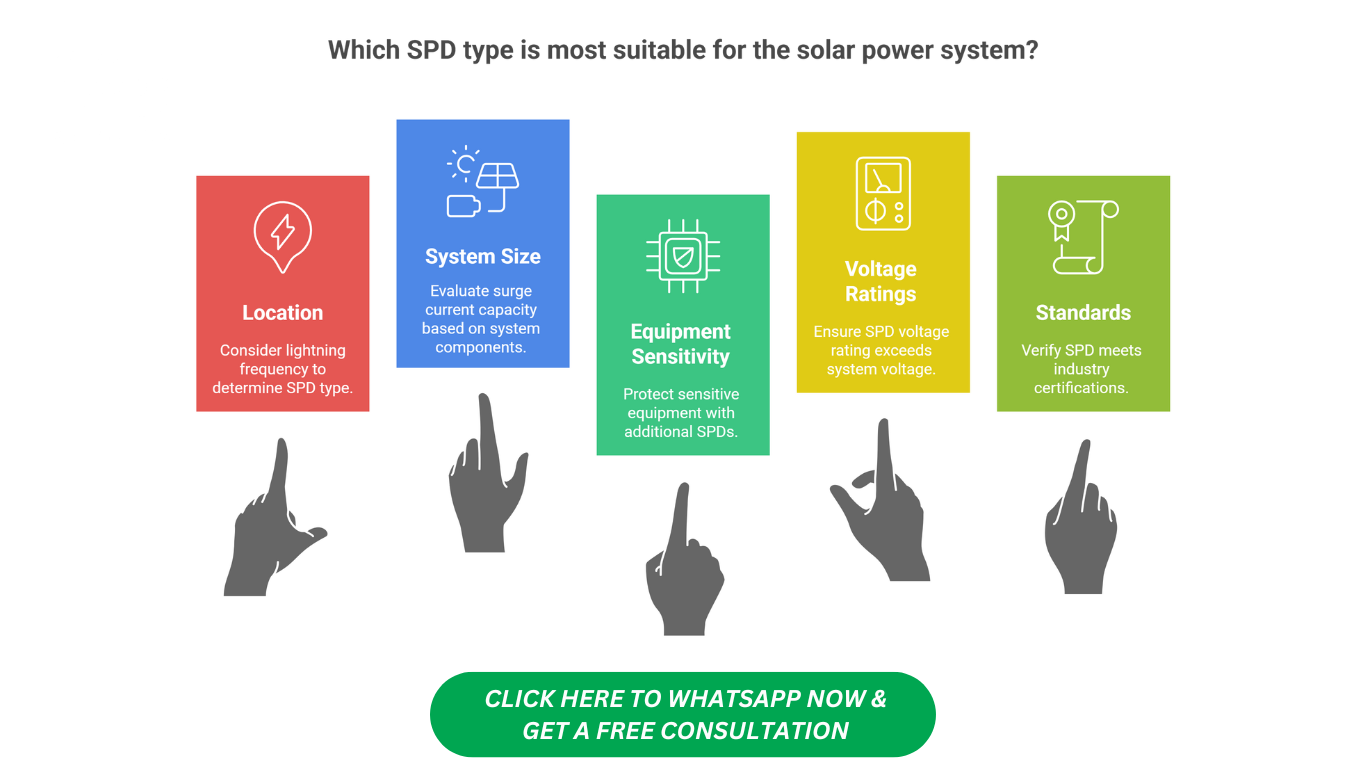
- Maximum Continuous Operating Voltage (Uc or MCOV): This is the maximum voltage the solar power surge protector can handle continuously under normal operation. This must be higher than your system’s maximum open-circuit voltage (VOC), especially in cold weather. If your panels have a VOC of 400V, your SPD needs a Uc rating of at least 440V or higher. An undersized device will fail prematurely.
- Voltage Protection Rating (VPR): Formerly known as the Suppressed Voltage Rating, this number tells you how much voltage will be “let through” to your equipment during a surge event. Lower is better. A VPR of 1kV offers better protection than one rated at 2kV. Look for a VPR that is appropriate for your inverter’s surge withstand capability.
- Short-Circuit Current Rating (SCCR): This indicates the maximum fault current the SPD can safely interrupt if it fails. It must be coordinated with the available fault current from your system and utility. This is a technical detail your licensed electrician must verify for safety and code compliance.
- UL 1449 4th Edition Listing: This is the gold standard safety certification for SPDs in the United States. Never install a solar power surge protector that does not carry this specific UL listing. It confirms the device has been rigorously tested for performance and safety.
DC vs. AC Rating: Location is Everything
This cannot be overstated: You must use a DC-rated solar power surge protector on the DC side of your inverter and an AC-rated one on the AC side. The internal components and ratings are designed for the specific behavior of each current type. Using an AC device on a DC circuit is dangerous and ineffective.
Warranty & Connected Equipment Guarantee
Look for manufacturers that offer a connected equipment guarantee. This is a warranty that states if a properly installed solar power surge protector from their line fails to prevent surge damage to your connected equipment, they will contribute to or cover the repair/replacement costs. This is a strong signal of the manufacturer’s confidence in their product. The duration and specific terms of this guarantee are important factors in your choice.
Brand Reputation & Professional Recommendations
Stick with established brands in the solar and electrical safety space. Companies like MidNite Solar, Schneider Electric, Eaton, and Siemens have long-standing reputations for quality and reliability. Your best resource, however, is your licensed solar installer or electrician. They have hands-on experience with which solar power surge protector brands perform reliably in the field over years of service and which integrate best with different inverter brands. Their professional recommendation, based on your specific system design, is invaluable.
Professional Installation & Ongoing Vigilance
Purchasing a high-quality solar power surge protector is only half the battle. Its correct installation and integration into your grounding system are what make it effective.
Why Professional Installation is Non-Negotiable
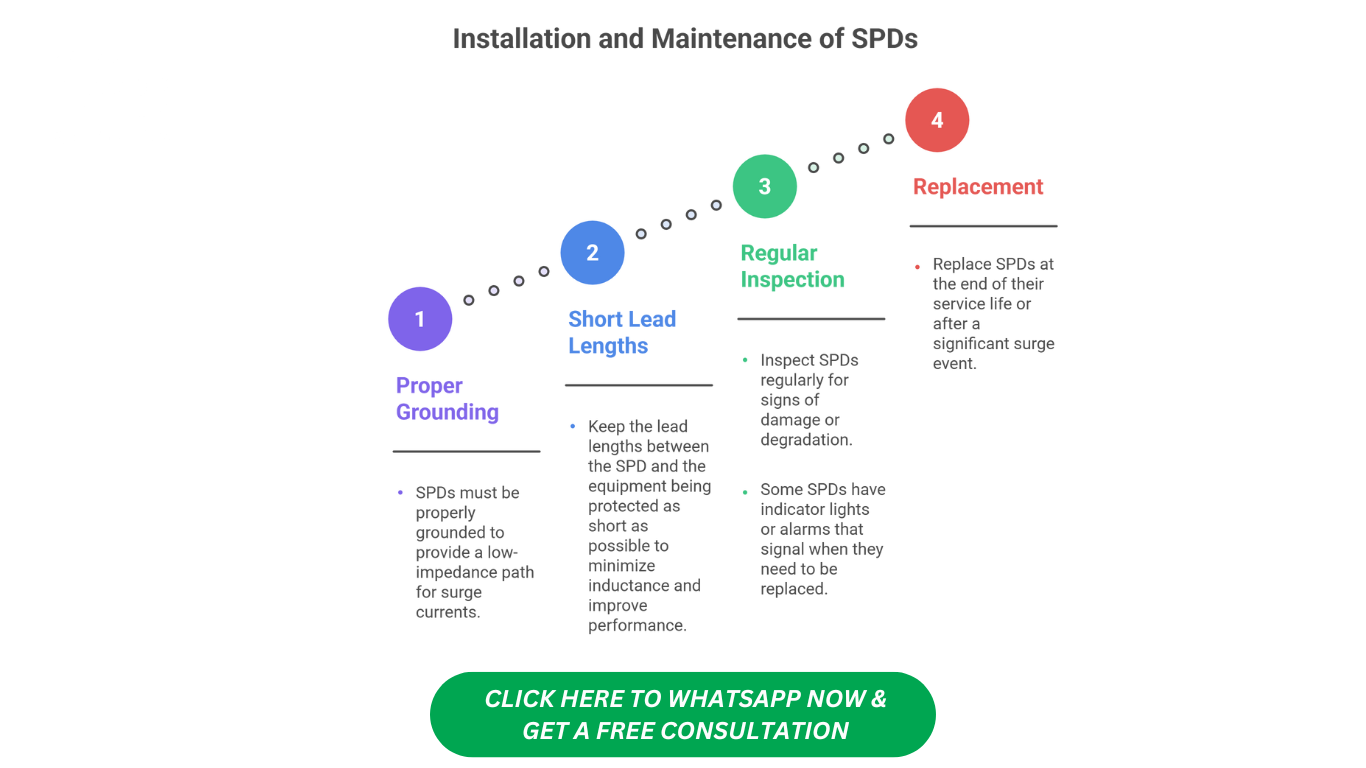
Installing a solar power surge protector is not a DIY project. This involves working inside live electrical enclosures (like your main service panel or DC combiner box) with high-voltage DC and AC circuits. More critically, an improperly grounded SPD is worse than no SPD at all. It can create a false sense of security while providing no actual protection. A licensed solar electrician or certified installer will:
- Ensure the device is correctly rated for your system’s voltage and current.
- Install it with the shortest, straightest possible wiring paths to the grounding electrode system to minimize impedance.
- Verify that your entire system’s grounding and bonding—the foundation of all surge protection—is up to NEC code.
- Provide documentation of the installation for your records and warranty purposes.
Basic Maintenance and Inspection
While the solar power surge protector itself is maintenance-free, a responsible homeowner should perform periodic visual checks:
- Indicator Status: Most SPDs have a simple “Protected” (usually green) and “Fault” (usually red) indicator window. Check these lights every few months and after any major electrical storm.
- Physical Damage: Look for signs of scorching, melting, or cracking on the device or its enclosure.
- Understand Lifespan: A solar power surge protector is a sacrificial device. It wears itself out by absorbing energy from smaller, unnoticed surges. Even without a major event, it may need replacement every 5-10 years. Some models have end-of-life indicators.
The Total Protection Approach: Layering Your Defenses
A solar power surge protector is most effective as part of a holistic strategy:
- Proper Grounding & Bonding: This is the absolute bedrock. All metal parts of the solar array (racks, frames, enclosures) must be bonded together and connected to a low-impedance grounding electrode. Surge energy needs a clear, low-resistance path to earth.
- Lightning Air Terminals (Rods): In areas with high lightning strike density, a traditional lightning rod system designed to intercept a direct strike can be part of a comprehensive plan. It’s important to note that this is separate from, and works in conjunction with, the solar power surge protector, which handles induced surges and conduction.
Conclusion: The Smartest Step for Long-Term Solar Security
Your journey to solar energy is a forward-thinking decision. Protecting that decision requires the same foresight. We’ve seen that a solar array, while robust, houses delicate and expensive electronics that are persistently vulnerable to electrical violence from the atmosphere and the grid.
The solar power surge protector emerges not as an optional accessory, but as a fundamental system component—as essential as the racking that holds your panels or the wiring that connects them. It is the definitive, cost-effective solution to a potentially devastating problem. Reframing its cost from an added expense to inexpensive, non-negotiable insurance is the key perspective shift for every solar owner.
Before the next thundercloud gathers on the horizon, take this single, smart step to secure your clean energy future. Consult with your solar installer or a qualified electrician to audit your system’s surge protection. If you’re in the planning stages, insist on a high-quality solar power surge protector being included in your initial design and quote. It is the guardian that will stand watch for years, ensuring your investment continues to deliver power, savings, and peace of mind for the full lifespan of your system.
Disclaimer
The information provided in this blog is intended for general informational purposes only. Prices, specifications, and availability may vary depending on suppliers, location, and market conditions. Readers should verify details directly with suppliers or manufacturers before making purchasing decisions. The author and website are not responsible for any errors, omissions, or outcomes resulting from the use of this information. Always consult a professional for advice tailored to your specific needs.

